New Casting Technology—Rheocasting

Nov -03 -2026

Rheocasting (rheological die casting or rheological casting) is an advanced semi-solid metal processing (SSM) technology.

Traditional die casting uses fully molten metal, whereas rheocasting involves applying an external physical field (such as mechanical stirring, electromagnetic stirring, or inclined channel cooling) during the metal’s cooling process from the liquid to the solid state to disrupt the growing dendrites, thereby forming a “semi-solid slurry” composed of nearly spherical grains suspended in the remaining liquid. This slurry is then fed directly into a die-casting machine for forming.

Image source: Die Casting Weekly


I. Core Process Flow

Rheological die-casting technology typically involves the following key steps:

1.Melting and Cooling: The alloy (typically aluminum alloys, magnesium alloys, etc.) is heated until completely molten, then cooled in a controlled manner to bring it into the semi-solid region between the liquidus and solidus lines.

2.Slurry Preparation (Dendrite Breakup): During the cooling process, vigorous agitation or the use of special flow channels (such as inclined chutes) prevents the dendritic crystal growth common in traditional casting and promotes the formation of uniform, fine spherical grains.

3.Injection Molding: The prepared semi-solid slurry is injected into the pressure chamber and forced into the mold cavity under high pressure and at high speed by a high-pressure die-casting machine, where it solidifies.


II. Technical Advantages

Compared to traditional liquid die casting, rheological die casting offers significant performance and process advantages:

1. Dense microstructure with extremely low porosity: The semi-solid slurry exhibits laminar flow during filling (good fluidity, minimal entrapped gas), and solidification shrinkage is significantly reduced, greatly minimizing internal porosity and shrinkage defects.

2. Excellent mechanical properties: Due to the formation of a fine, uniform, non-dendritic spheroidal microstructure, the castings exhibit significantly improved tensile strength, yield strength, and elongation (ductility).

3. Suitable for heat treatment: Traditional die-cast parts, due to their high internal porosity, are prone to bubbling during heating and cannot undergo conventional T6 heat treatment; in contrast, rheo-die-cast parts can be heat treated, further unlocking the material’s performance potential.

4. Extended mold life: The pouring temperature of the slurry is lower than that of pure liquid metal, resulting in reduced thermal shock and thereby extending the service life of die-casting molds.


III. Major Application Areas

Due to their high strength, lightweight design, and excellent pressure resistance, rheo-die-cast components are widely used in modern high-end manufacturing:

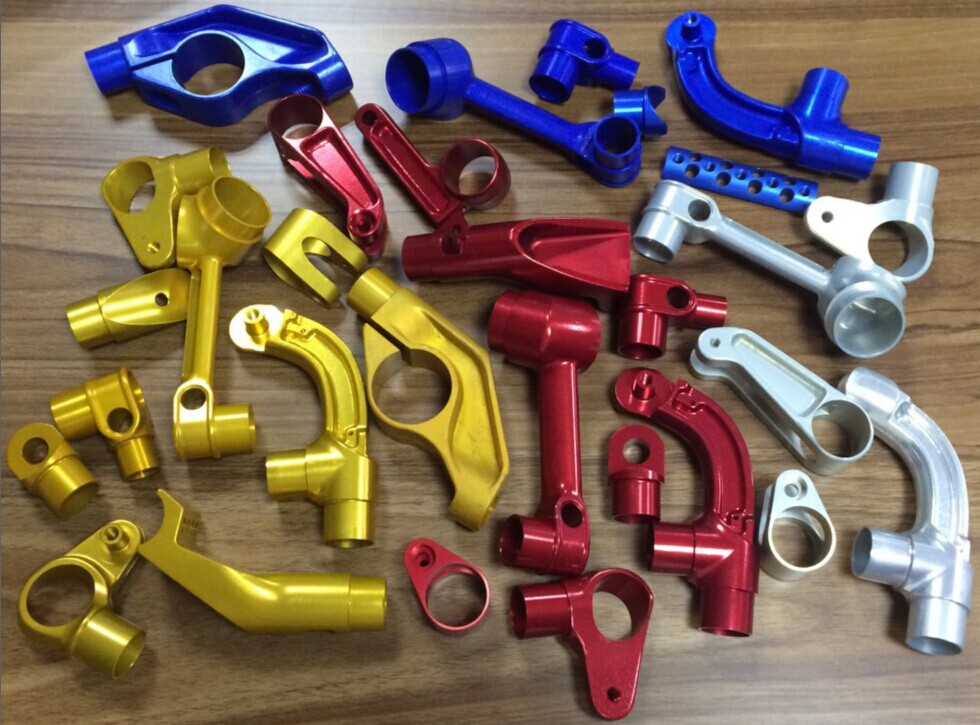
Automotive Industry: Manufacturing automotive body structural components (such as strut towers, longitudinal beams, and inner door panels), battery trays, and chassis suspension components to achieve vehicle weight reduction and improved crash safety.

Aerospace: Used to manufacture structurally complex components with stringent requirements for reliability and strength-to-weight ratio.

3C Electronics: High-end laptop casings, communication base station structural components, etc.

LATEST

Contact INNOVAW to Get Started!

Request a Quote
  • Email:

    sales@innovaw.com

    Michael_Dong18@hotmail.com

  • Headquarter Add:

    904-905, China-base Building, No.666, Tiantong South Road, Ningbo 315100, China

  • Automotive Division Add:

    NO. 45, Baofeng Road, Eastern Suburb Development Zone, Fenghua 315500, China

  • Aluminum Forging Division Add:

    Shaojiadu Street, Linhai City, Zhejiang Province 317000, China

    Forging Web

Enter your inquiry details, We will reply you in 24 hours.

Note: If you are looking for a job, please send an email to it2@innovaw.com

Send
Document
Document