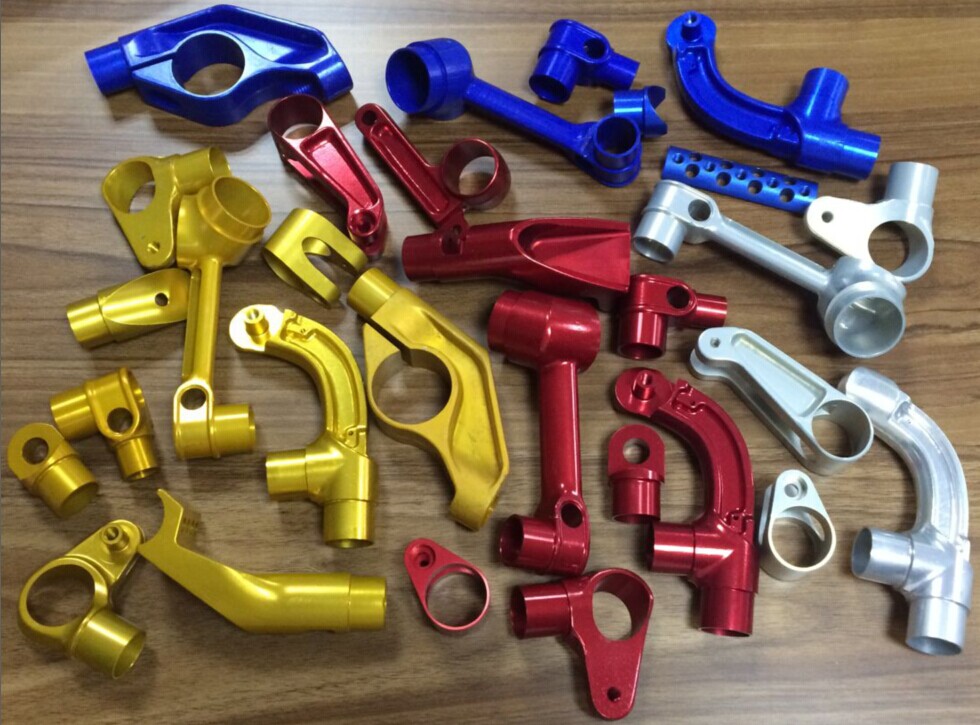
In the field of high-precision aluminum casting manufacturing, dimensional stability has always been one of the core indicators for measuring product quality. Through long-term practical experience, we have established a quality control system centered on “process data-driven” principles, upgrading the traditional, experience-based quality management model to a systematic approach grounded in data collection, analysis, and feedback. This enables precise control and continuous optimization of key processes. For example, in surface treatment processes, even the slightest dimensional variation can directly affect a product’s assembly performance and service life. By collecting and comparing key data before and after surface treatment, we achieve precise control over this stage of the process.
Take a hemispherical product we recently developed as an example. The customer had very high requirements for dimensional accuracy, with a total of approximately 280 dimensional positions and contour tolerances that all had to comply with the ISO 2768-mK standard. Therefore, in addition to implementing full-process quality control at every stage, we also adopted “comparison of key dimensions before and after oxidation treatment” as a key quality control measure, collecting, comparing, and analyzing the key dimensions before and after oxidation. Through the accumulation of extensive data, we have established a dimensional variation model for this product category under different process conditions. Based on this model, we optimize oxidation parameters to stabilize dimensional variations within an extremely narrow range. Additionally, for batches exhibiting abnormal fluctuations, we can quickly trace back through the data to pinpoint the problematic stage and promptly implement corrective measures to prevent the issue from escalating.
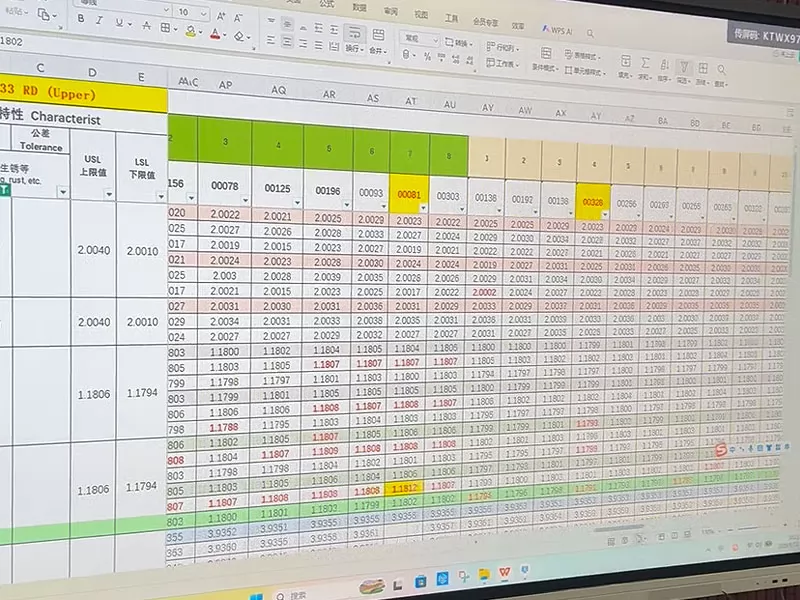
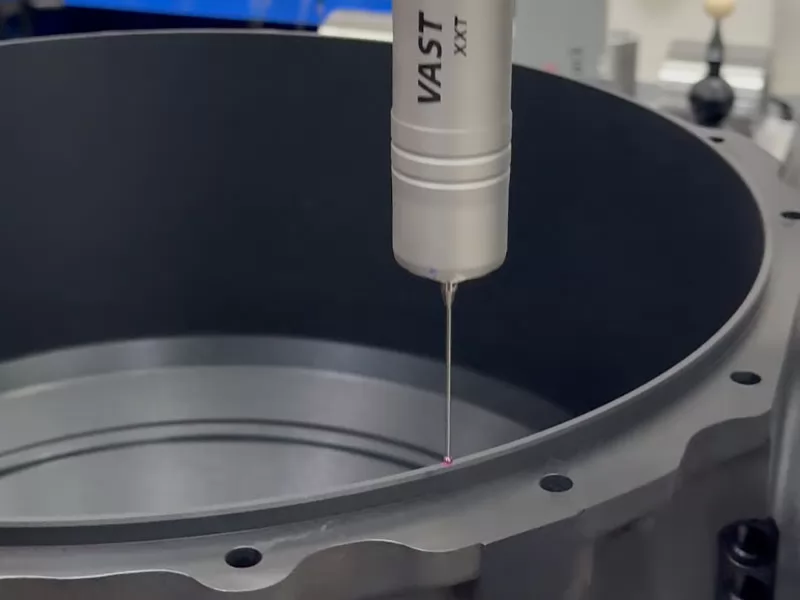
To ensure data accuracy and reliability, we have introduced high-precision coordinate measuring machines (CMMs) into our inspection process, with a measurement accuracy of up to 0.0003 mm. This equipment is capable of high-precision measurements on complex structural components, demonstrating exceptional repeatability and stability—particularly in the inspection of critical dimensions such as hole diameters and outer diameters. By adhering to standardized inspection benchmarks and operating procedures, we have effectively eliminated human error from influencing data results, ensuring high consistency across all collected data and providing a solid foundation for subsequent analysis.
This case-based control approach not only enhances the quality stability of individual products but has also gradually evolved into a standardized process that is replicable and scalable. Through institutionalized comparative analysis and continuous optimization, we have transitioned from individual case experience to systemic capability, making quality management more scientific, transparent, and efficient.
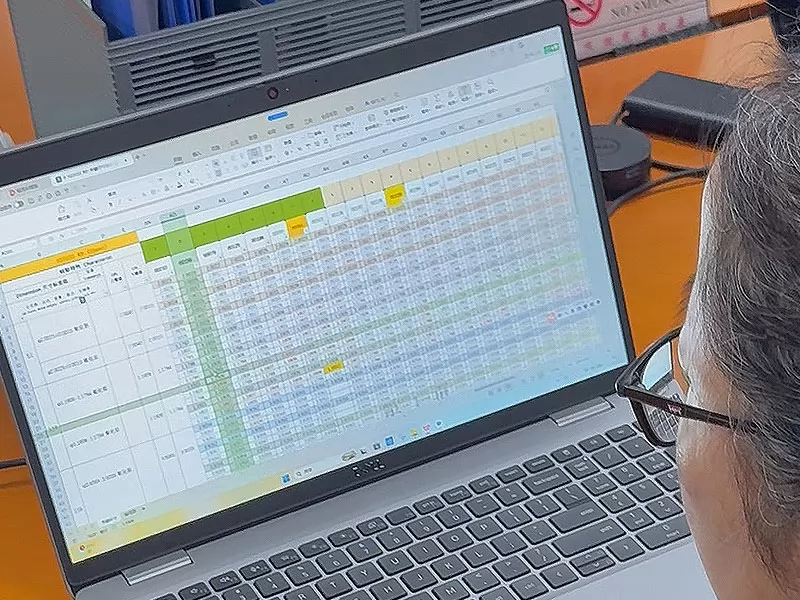
“Process data-driven” is not merely a matter of simple data recording; rather, it is a systematic engineering process that spans the entire product lifecycle. As early as the product design phase, we implement a mechanism for identifying critical dimensions and, by integrating subsequent machining and surface treatment processes, predict the potential range of dimensional variations. During the manufacturing process, we collect data on critical dimensions in stages through standardized work instructions and inspection specifications, ensuring the traceability of data at every process step.
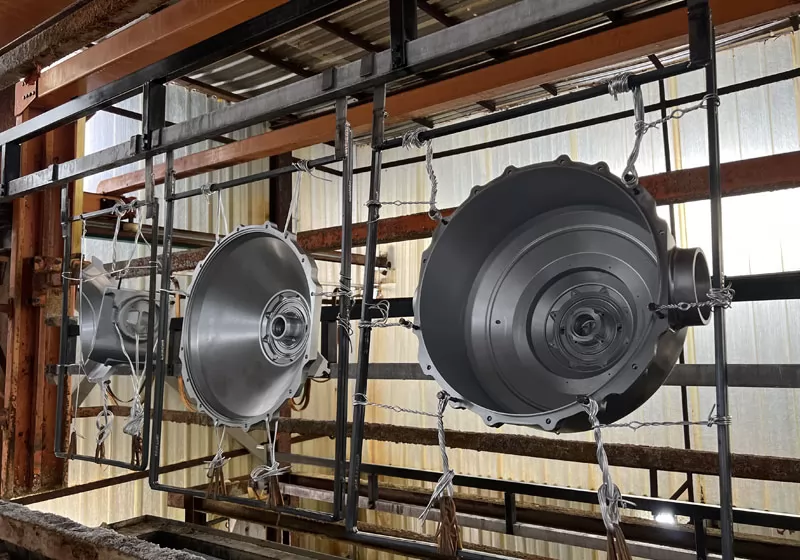
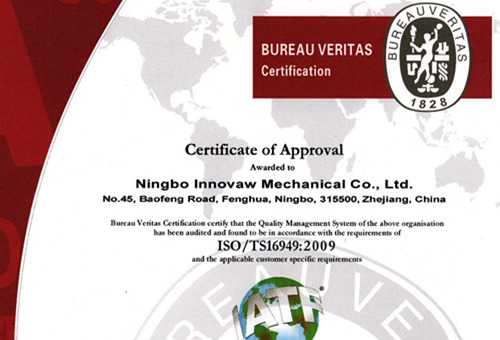
Through years of continuous practice, we have established a closed-loop quality management system covering the entire process—from design, casting, and machining to surface treatment and inspection and verification. This system not only demonstrates our capacity for standardization and normalization in quality management but also fully showcases our technical expertise and engineering capabilities in the field of high-precision aluminum casting manufacturing. Moving forward, we will continue to deepen our data-driven approach, continuously enhance our process control and inspection capabilities, and provide customers with more stable and reliable one-stop component solutions, thereby creating even greater value in the field of high-precision manufacturing.

.png)


.png)
.png)
.png)

.png)


.png)

.png)

 +86-574-83008051
 sales@innovaw.com
.png)




.png)