In the field of aluminum alloy casting, material selection often determines the upper limit of product performance. Among various high-performance aluminum alloys, K-alloy (a high-performance Al-Si-based alloy) has emerged as a "key material" in high-end casting applications due to its unique composition design and superior performance. However, due to its narrow process window and high control requirements, the application of K-alloy within the industry still faces numerous challenges.
However, due to its complex alloy system, sensitive solidification behavior, and narrow process window, K-alloy places high demands on manufacturers' material understanding and process control capabilities during actual casting. As a professional aluminum foundry with expertise in various processes including high-pressure die casting, low-pressure die casting, gravity casting, and investment casting, our company has developed a systematic and mature technical framework for understanding and applying K-alloy materials, along with extensive successful case studies.
I. K-alloy Material System and Performance Characteristics
K-alloy typically belongs to a strengthened aluminum-silicon alloy system or multi-element alloy system, with its core characteristics reflected in the following aspects:
1. Mechanical Properties
Through the synergistic effects of alloying elements (Si, Cu, Mg, and trace strengthening elements), K-alloy achieves high tensile strength and yield strength while maintaining reasonable ductility. Typical properties include:
Tensile strength: ≥300 MPa (varies depending on grade and heat treatment condition)
Yield strength: ≥200 MPa
Elongation: 3%–8%
2. Thermal Stability
K-alloy maintains relatively stable mechanical properties within a temperature range of 150°C to 300°C, making it suitable for applications involving high thermal loads.
3. Wear and Corrosion Resistance
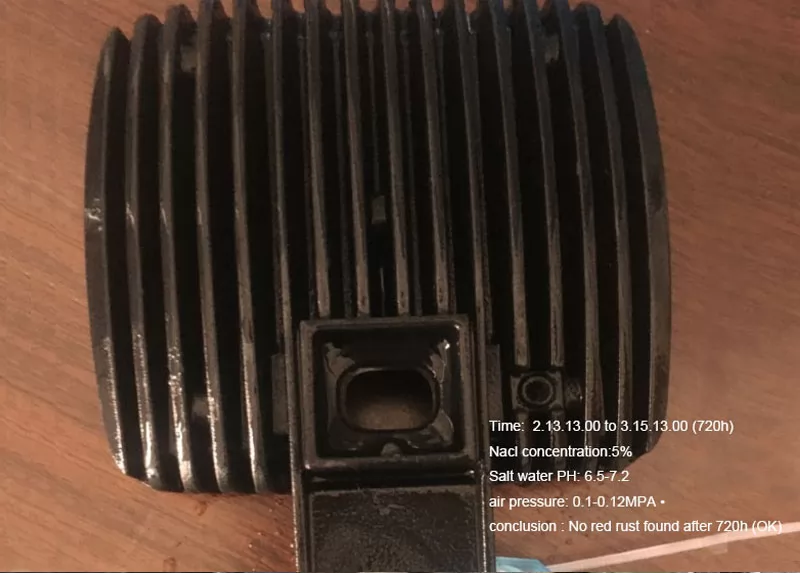
The uniform distribution of strengthening phases in its microstructure provides good durability under friction and corrosive environments.
4. Casting Adaptability
- Wide liquidus-to-solidus temperature range
- Significant solidification shrinkage
- High sensitivity to cooling rate and temperature gradient
These characteristics result in significantly higher requirements for process parameter control during casting compared to conventional aluminum alloys.
II. Key Technical Challenges in K-alloy Die Casting
In engineering applications, K-alloy primarily faces the following typical issues:
1. Filling and Flow Control
Compared to conventional die-casting aluminum alloys, K-alloy has lower fluidity, making it prone to defects such as cold laps and incomplete filling.
2. Susceptibility to Hot Cracking
Due to its wide solidification range and concentrated thermal stresses, K-alloy carries a higher risk of hot cracking in complex structural components.
3. Shrinkage Porosity and Density Control
Significant shrinkage during solidification makes it difficult to design effective feeding paths, leading to porosity defects.
4. Narrow Process Window
There is strong coupling among casting temperature, mold temperature, and pressure parameters; minor deviations can easily cause quality fluctuations.
5. Sensitivity to Heat Treatment
Different heat treatment regimes significantly affect material properties, and maintaining consistent performance stability is challenging.
III. Core Advantages of Our K-alloy Applications
To address the unique characteristics and challenges of K-alloy, our company has established a comprehensive and mature technical solution:
1. Integrated Material and Process Development Capability
With in-depth understanding of the composition and properties of various K-alloy grades, we can actively engage in customer projects at the material selection stage, matching optimal casting processes to achieve a balanced performance and manufacturability.
2. Precise Process Control System
Through fine-tuned control of pouring temperature, mold temperature, filling speed, and pressure profiles, we effectively resolve issues related to filling and defects, significantly improving cast density and consistency.
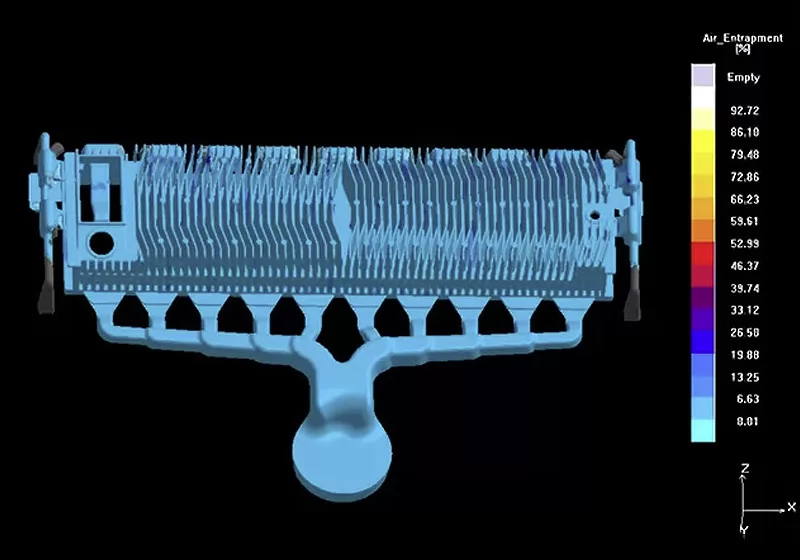
3. Mold Flow Analysis and Simulation Capability
Using advanced simulation software, we predict the flow and solidification behavior of K-alloy under different process conditions, proactively avoiding risks such as hot cracking and shrinkage porosity, thereby substantially shortening development cycles.
4. Mature Heat Treatment and Property Control Technology
Given K-alloy's sensitivity to heat treatment, we have developed stable heat treatment process windows to ensure consistent and reliable product performance.
IV. Extensive Application Case Experience
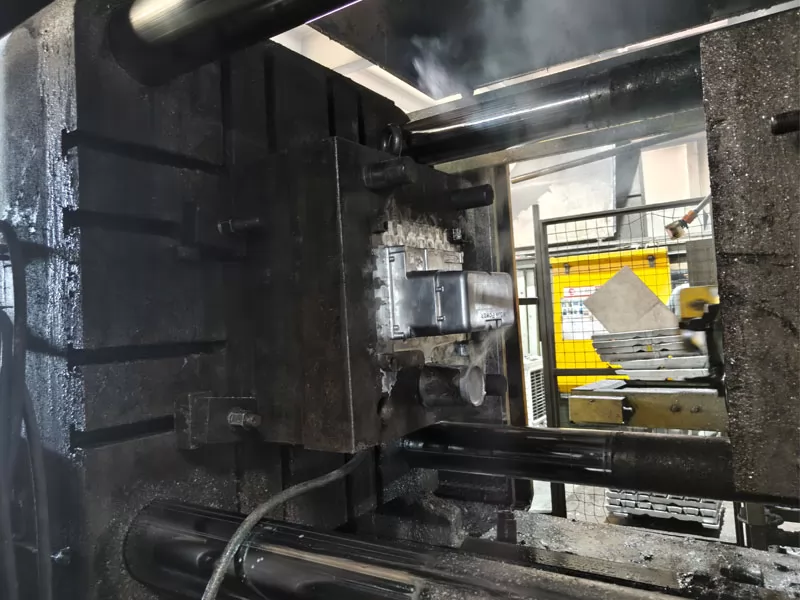
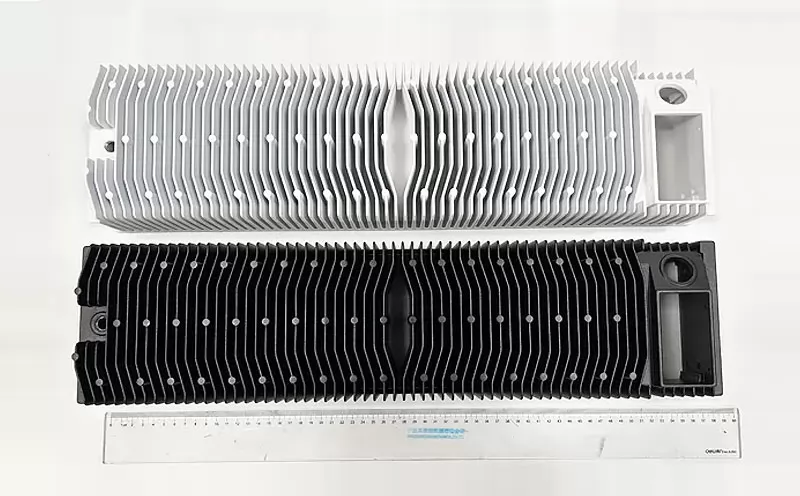
To date, our company has successfully applied K-alloy materials across multiple fields, including but not limited to:
Marine ship components
Critical automotive parts
Key components for high-end machinery and equipment
Industrial parts requiring high strength and heat resistance
In practical projects, we have not only achieved product performance targets but also earned high recognition from customers for yield rates, stability, and large-scale delivery capabilities.
V. Conclusion
K-alloy is not a material that is "difficult to handle," but rather one that requires "proper understanding and application." Only through the seamless integration of material properties, process control, and engineering expertise can its full performance potential be truly realized.
Looking ahead, our company will continue to deepen its expertise in high-performance aluminum alloy casting, continuously refining application technologies for K-alloy and other specialty materials, to deliver higher-quality and more reliable casting solutions to our customers.

.png)


.png)
.png)
.png)

.png)


.png)

.png)

 +86-574-83008051
 sales@innovaw.com
.png)




.png)