Here are the material requirements for the product provided by a customer:
Tensile strength ≥ 240 MPa
Yield strength ≥ 154 MPa
Elongation ≥ 7%
Part dimensions: 500 × 300 × 250 mm
Part weight: 2.0 kg
Minimum wall thickness: ≥ 3 mm
First, consider the dimensions, weight, and wall thickness. A weight of 2.0 kg distributed across a 500 mm dimension indicates this is a medium-to-large thin-walled part, which places high demands on filling capability.
Next, consider the material performance requirements. An elongation of ≥ 7% is critical. Combined with the tensile and yield strength requirements, this profile clearly points toward “high-toughness, heat-treatable aluminum alloys.” Suitable materials include A356 (T6) and AlSi10MnMg.
At this stage, the foundry’s ability to comprehensively leverage its processes and equipment comes into play.
1. An elongation of ≥7% is difficult to achieve consistently with traditional HPDC, and HPDC castings are not suitable for heat treatment.
2. A wall thickness of 3 mm can be achieved with gravity casting, but this is close to the process limit and carries very high risks.
3. Sand casting and investment casting are clearly unsuitable for this product in terms of cost, yield rate, and structural characteristics.
Therefore, overall, adopting the A356 + low-pressure die casting + T6 heat treatment solution is a highly targeted choice. Performance Match: After T6 heat treatment, the tensile strength can reach 250–290 MPa, the yield strength is ≥ 180 MPa, and the elongation can be consistently maintained at 6–10%.
Structural Suitability: Low-pressure casting offers a smooth filling process, making it highly suitable for manufacturing thin-walled structural components that require high density.
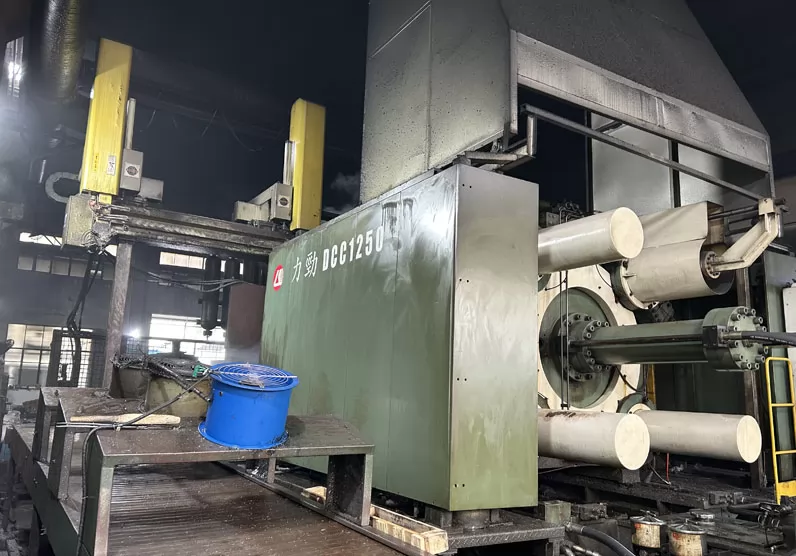
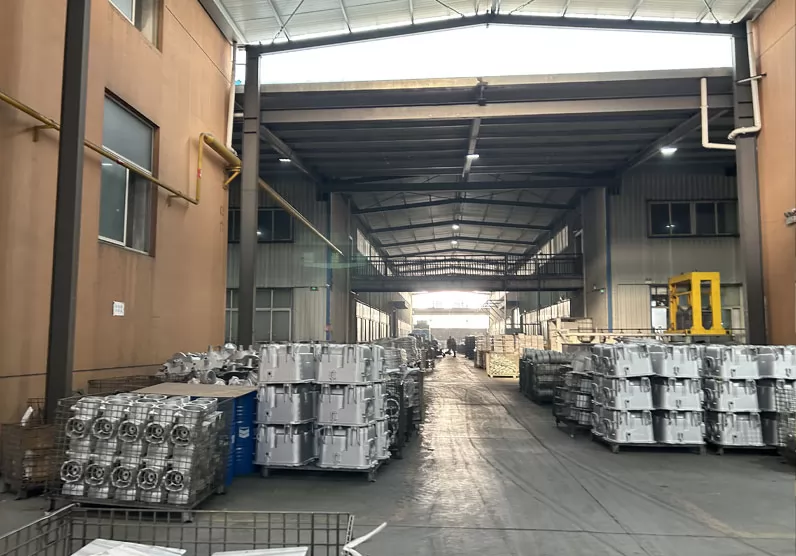
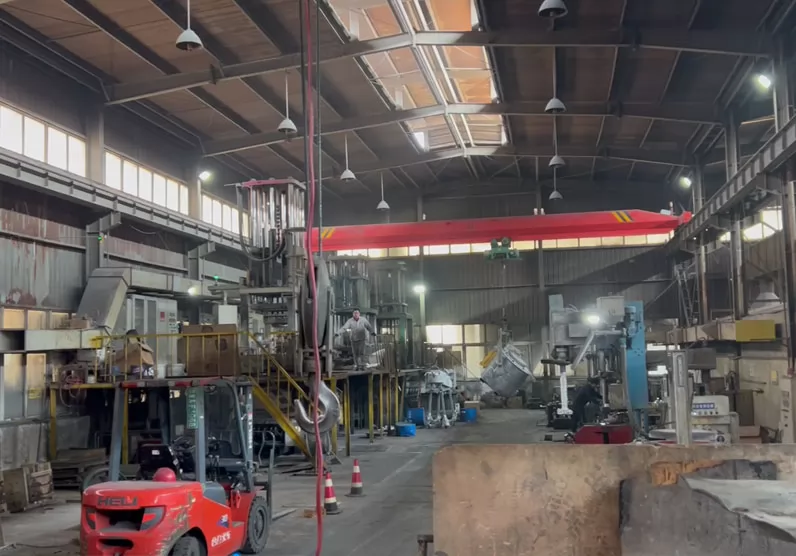
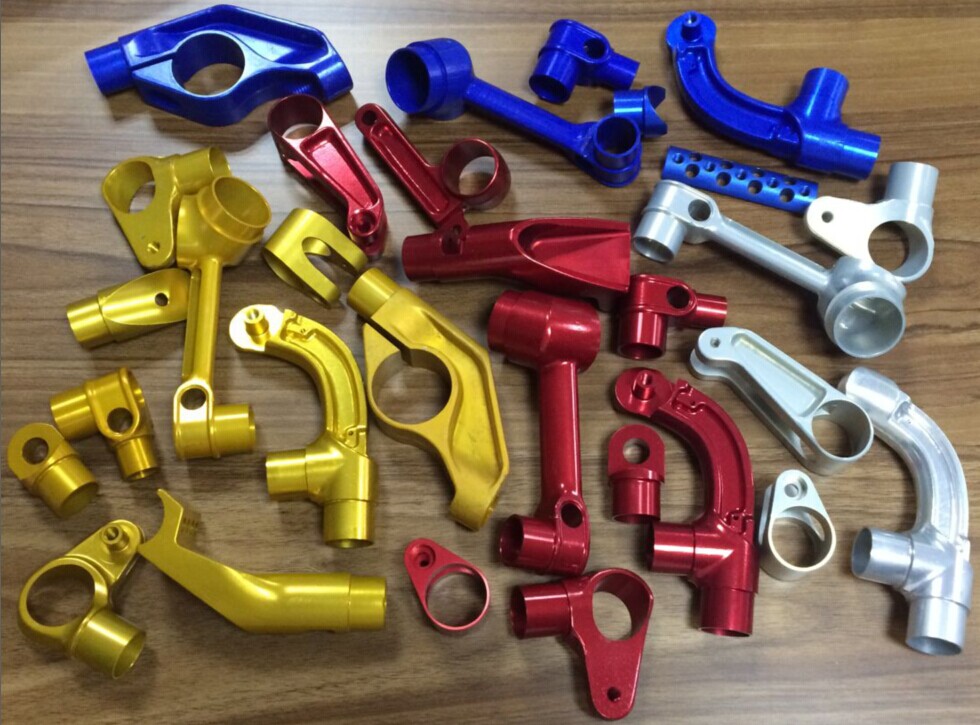
Given this customer’s requirements, it is wise to request quotes from a supplier with diverse process capabilities. This approach helps avoid the increased risk of development failure that can result from a single-process supplier imposing their terms. At Innovi, we possess a wide range of casting process capabilities and corresponding facilities, allowing us to select the most suitable materials and processes based on customer requirements. Furthermore, for over 20 years, Innovi has consistently pursued the coordinated development of multiple processes, including high-pressure die casting, low-pressure die casting, gravity casting, investment casting, and sand casting. We have accumulated extensive experience in these processes, which guarantees Innovi’s high product development success rate.